Entry · Ref BJ9KXEML
What to Expect From Professional Bathroom Plumbing Services
- Posted
- 2026-10-22
- Last amended
- 2026-10-22
- Account
- @bathroomplumbingservicesguide
When a Small Leak Stops Being Small
Every homeowner remembers that first sign of trouble: a drip under the vanity that you convince yourself is just condensation. Then the cabinet door starts to swell, or the tile grout darkens in a corner. By the time you call for help, the issue has usually moved past a simple fix. That is why knowing what professional bathroom plumbing services actually involve can save you money, stress, and a few sleepless nights.
Plumbing in a bathroom is more than pipes and fittings. It is a system built for constant use, humidity, and temperature swings. Over time, those conditions wear on materials in ways you might not notice until something fails. A licensed plumber looks at the whole picture, not just the symptom. They check water pressure, drainage slope, venting, and the condition of shutoff valves that have not been touched in years.
The Usual Suspects: What Brings People to Call
Most service calls fall into a handful of categories. Knowing them helps you describe the problem clearly and decide whether an emergency visit is warranted or a scheduled appointment makes sense.
- Dripping faucets and running toilets that waste water and drive up bills
- Slow or gurgling drains that hint at buildup inside the pipe
- Low water pressure from the shower or sink
- Leaks around the base of the toilet or under the sink
- Water stains on ceilings or walls that point to hidden pipe damage
Each of these issues has its own set of causes. A running toilet might be a flapper that costs five dollars, or it could be a cracked valve seat that requires more involved work. A slow drain could clear with a good snaking, but if the vent is blocked, the problem returns within weeks. That is where experience matters. A skilled technician does not just fix the immediate symptom; they trace the system to find out why it happened.
Why DIY Often Ends Up Costing More
There is a certain satisfaction in fixing something yourself. I get it. But bathrooms have a way of punishing overconfidence. I have seen a simple attempt to replace a shower cartridge turn into a flooded hallway because the main shutoff was not closed first. I have also watched a homeowner use chemical drain cleaner on a clog that had already eaten through part of the pipe, turning a straightforward job into a repiping project.
Professional bathroom plumbing services bring the right tools and the right knowledge. A plumber knows which fittings are compatible with older galvanized lines, how to seat a wax ring so it seals the first time, and why a new faucet might need a pressure regulator to avoid water hammer. Those details are not obvious from a YouTube video. They come from years of seeing what works in real buildings, with real water pressure and real wear.
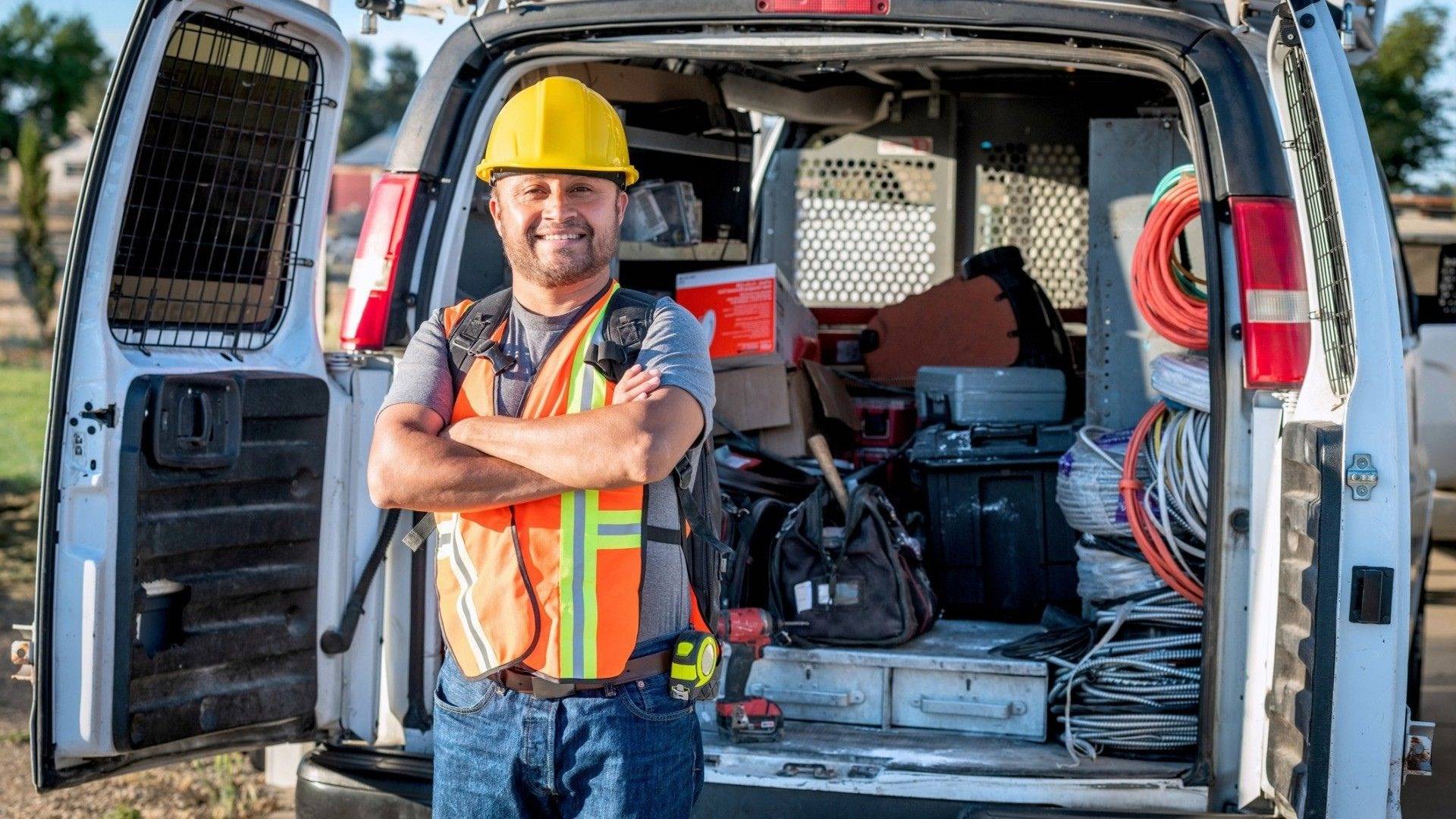
That said, not every call requires a professional. If you have a straightforward clog and a plunger clears it, you are probably fine. But if the clog recurs, if water backs up in more than one fixture, or if you hear gurgling from the toilet when the sink drains, you are dealing with a system issue. That is the time to pick up the phone.
Connect with us on Facebook.
What a Professional Inspection Covers
When a plumber arrives for a bathroom issue, the first thing they do is listen. You describe what you have noticed, and they start forming hypotheses. Then they run water, flush toilets, and check for pressure drops. They may use a camera to inspect the drain line if there is a suspicion of scale, roots, or a collapsed pipe. That camera work is not just for commercial jobs; it is becoming standard for residential calls because it gives a clear picture of what is happening below the floor.
After the diagnosis, you should receive a clear explanation and a few options. A reputable plumber will not push the most expensive fix if a modest one will do. But they also should not promise a permanent solution for a problem that will recur. Honest trade-offs are part of the job. For example, a corroded pipe under a sink can sometimes be patched, but a replacement will last decades. The choice depends on your budget and how long you plan to stay in the home.
Preventive Steps That Make a Difference
You do not need to be a plumber to keep your bathroom in decent shape. Simple habits go a long way. Use a strainer in the shower drain to catch hair before it forms a clump. Avoid pouring grease or heavy oils down the sink, even if you have a disposal. Once a month, run hot water for a few minutes to keep the pipes clear. If you have an older home, consider having the water pressure checked; anything above 80 psi can strain fixtures and shorten their life.
Another overlooked step is knowing where your main shutoff valve is located. In an emergency, turning that off within thirty seconds can prevent hundreds of gallons of water from damaging floors and walls. If you do not know where it is, find out now. Write it down and show everyone in the household. That small bit of preparation can turn a disaster into a manageable cleanup.
When to Schedule a Service Visit
Some signs are obvious: a puddle under the toilet, a shower that only trickles, a tank that refills every few minutes. Others are subtle: a musty smell in the bathroom, a slight dip in water pressure that you attribute to the weather, or a floor tile that feels a little springy. Trust those instincts. What feels like a minor annoyance can be the early warning of a slab leak or a failing pan under the shower base.
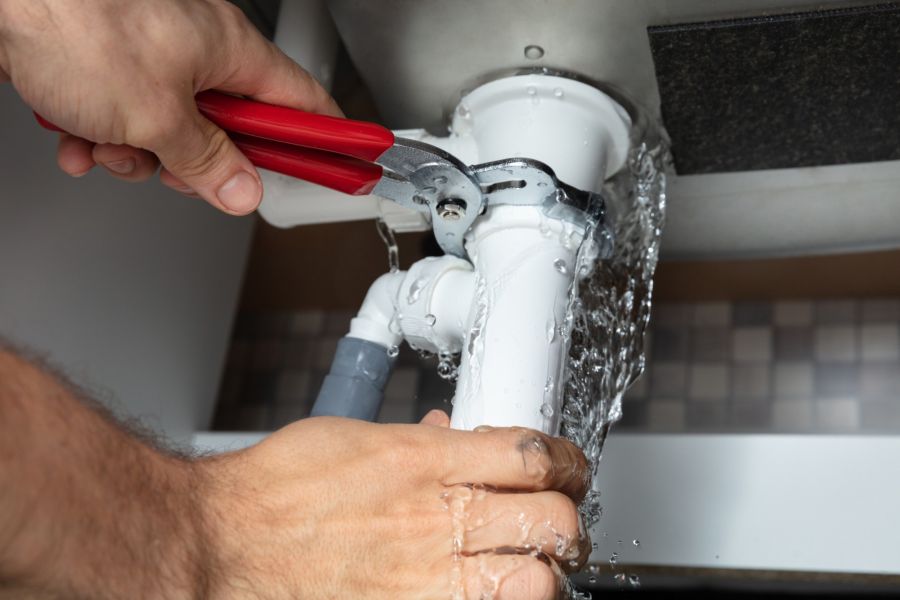
If you are planning a bathroom remodel, that is another moment to bring in a professional. The plumbing rough-in happens before the walls go up, and mistakes at that stage are expensive to correct later. A plumber can also advise on fixture placement, venting requirements, and whether your existing supply lines are adequate for a rainfall showerhead or a freestanding tub. These are the kinds of decisions that look easy on a showroom floor but have real consequences once the drywall is closed.
Choosing a Service Provider Wisely
Not all plumbing companies operate the same way. Some charge a flat rate for common repairs; others bill by the hour. Some offer guarantees on parts and labor; others leave you with a receipt and a shrug. Ask about licensing, insurance, and whether the technician has experience with the specific issue you are facing. A company that handles commercial work, for instance, may have a different approach than one focused solely on residential service.
It also helps to read reviews with a critical eye. Look for patterns. If multiple people mention that the technician was late without a call, that matters. If several reviews praise the clarity of the explanation before work began, that is a good sign. You are inviting someone into your home and trusting them with a system that, when it fails, can cause real damage. That trust should be earned.
The Value of a Long-Term Relationship
Once you find a plumber you trust, keep their number. Regular maintenance visits, even every couple of years, can catch small problems before they become emergencies. A professional can check the condition of supply lines, test the pressure relief valve on your water heater, and inspect the wax seals on toilets. These are not glamorous tasks, but they are the kind of preventive care that keeps a bathroom functional for decades.
In older buildings, especially those with original cast iron pipes, a professional assessment is even more valuable. Scale buildup inside the pipes reduces flow and can lead to corrosion. A camera inspection can reveal the extent of the buildup, and a plumber can recommend descaling or replacement before a rupture occurs. That kind of foresight is what separates a reactive approach from a proactive one.
Making the Call
If you are reading this because you have a nagging issue that you have been ignoring, take the next step. Start by describing the problem as clearly as you can. Note when it happens, what makes it worse, and whether it has changed over time. That information helps the technician arrive prepared. Then schedule a visit and see what they find. Sometimes the fix is simple and affordable. Other times, it is a larger project. Either way, you will have a clear answer and a plan.

Professional bathroom plumbing services are not just about fixing a leak or unclogging a drain. They are about protecting the place where you start and end your day. A bathroom that works reliably, with good pressure and no surprises, is something you notice only when it breaks. Keeping it that way is worth the call.
Glenn's Plumbing Services, located at 342 W 71st St, New York, NY 10023, USA, can be reached at +1 646-963-2616. With over 24 years of experience, the company provides residential and commercial plumbing, drain cleaning, boiler repair, and gas piping services in the Upper West Side.